Birdwatching At Kanon – Garden Route Self Catering-Accommodation by the Sea
Springtime in South Africa is always a season of renewal, and nowhere is this more evident than at Kanon Private Nature Reserve, a hidden birders paradise along the Garden Route. September marks the arrival of migratory birds, the stirring of resident species, and an explosion of bird activity that makes the reserve a paradise for bird watchers and photographers alike.
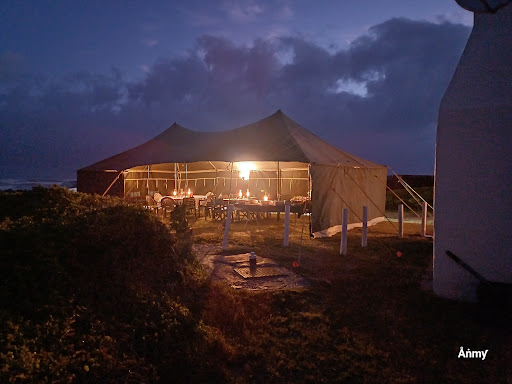
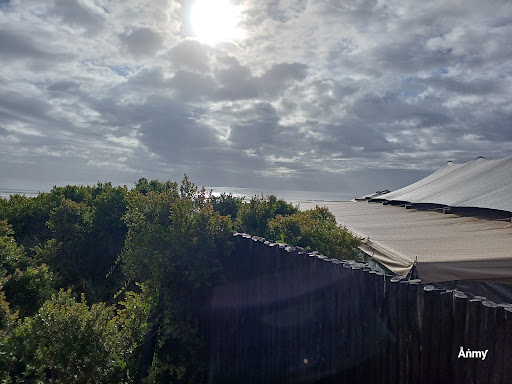
With its blend of coastal habitats, grasslands, and untouched wilderness, Kanon becomes a stage for some of the most diverse and prolific birdlife in the region. Stay a few days at a selection of Kanon’s self catering accommodation available to make the most of your bird watching experience by the sea!


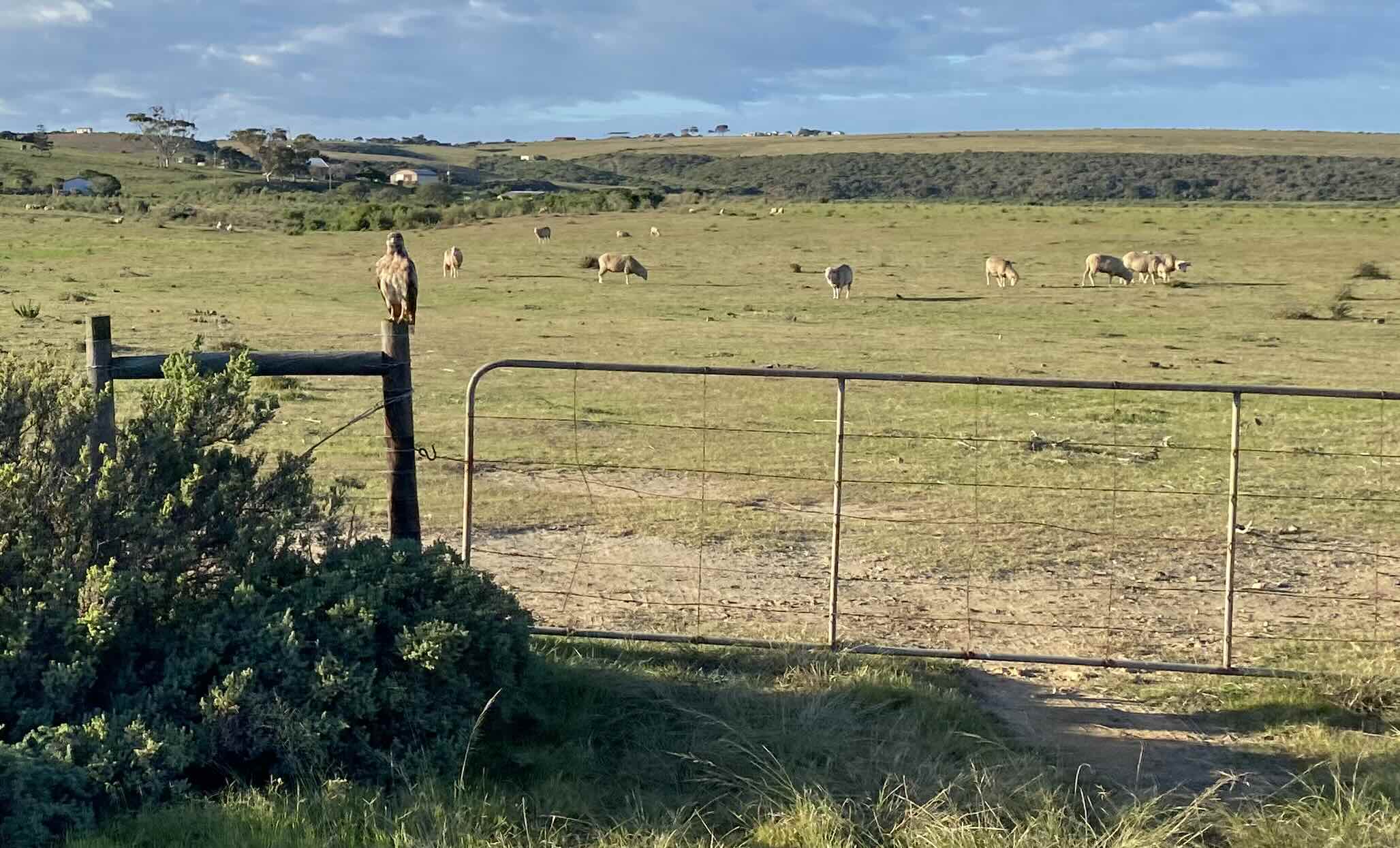
Migratory Birds Arriving in September
As winter gives way to spring, long-distance migrants begin to return to South Africa from their northern breeding grounds. At Kanon, you can expect to spot:
– Barn Swallows swooping gracefully across open skies, feeding on insects stirred by the warmer weather.
– Steppe Buzzards, arriving from Eurasia, patrolling the skies above grasslands and coastal ridges.
– Yellow-billed Kites, their distinctive forked tails a familiar sight, as they return from central Africa to breed.
Resident Birds All Year Round
Kanon is blessed with a range of species that call the reserve home throughout the year. Visitors in September won’t only see the migrants, but also enjoy familiar resident companions such as:
| Species |
Notes / Why Exciting |
|---|---|
| Blue Crane (Anthropoides paradiseus) |
South Africa’s national bird; elegant, often in pairs or small family groups in grasslands. |
| African Fish Eagle (Haliaeetus vocifer) |
Iconic raptor with piercing call; often near estuaries and water bodies. |
| Jackal Buzzard (Buteo rufofuscus) |
Striking chestnut and black raptor; a regular resident soaring above cliffs and ridges. |
| African Black Oystercatcher (Haematopus moquini) | Endemic shorebird with red bill and eyes; thrives on rocky coastlines. |
| Cape Spurfowl (Pternistis capensis) |
Bold, noisy gamebird often seen foraging near paths and grasslands. |
| Southern Double-collared Sunbird (Cinnyris chalybeus) | Tiny jewel-like bird, feeding on nectar from fynbos flowers year-round. |
| Cape Sugarbird (Promerops cafer) |
Specialist nectar feeder; exciting endemic found around protea stands. |
| Cape Longclaw (Macronyx capensis) |
Vibrant grassland bird with orange throat; a photographer’s favorite. |
| Helmeted Guineafowl (Numida meleagris) |
Common but charismatic; large flocks move noisily through grasslands. |
| Grey Heron (Ardea cinerea) |
Tall wader often seen in estuaries and wetlands; majestic fishing stance. |
| Hadeda Ibis (Bostrychia hagedash) |
Iconic call at dawn/dusk, always part of the local soundscape. |
| Black-shouldered Kite (Elanus caeruleus) |
Small, graceful raptor that hovers perfectly while hunting rodents. |
Herons, Egrets & Bitterns
Water wading birds found near estuaries, ponds, wetlands, calm shorelines, etc.
| Species |
Notes / Habitat |
|---|---|
| Grey Heron (Ardea cinerea) |
Very common, large heron; often seen at ponds, rivers, estuaries. (SA Venues) |
| Black-headed Heron (Ardea melanocephala) |
More terrestrial, often seen in grassland or disturbed spots; uses wetter fields or edges. (Mostly Birding) |
| Purple Heron (Ardea purpurea) |
Often seen in reed beds and estuaries; Mossel Bay area has records. (GroupEditors) |
| Little Egret (Egretta garzetta) |
Common in shallow water, tidal zones, small ponds. |
| Western Reef-Heron (Egretta gularis) | Sometimes coastal/shoreline, darker or mixed morphs; may appear in similar habitats to other egret/heron species. (Wikipedia) |
| Great Egret (Ardea alba) |
Larger, elegant, often in wetlands, estuaries, and shorelines. |
Raptors of the Reserve
For those who marvel at birds of prey, Kanon offers a spectacular variety. September skies often reveal:
| Species |
Notes / Where Seen |
|---|---|
| African Fish Eagle (Haliaeetus vocifer) | Along large bodies of water, estuaries. Very distinctive. Mentioned in Mossel Bay bird listing. (mossel-bay-info.co.za) |
| Black Sparrowhawk (Accipiter melanoleucus) | Forest edges, woodland patches near coast. Reported in Mossel Bay area. (GroupEditors) |
| Rock Kestrel (Falco rupicolus) |
Over rocky outcrops, cliffs, feeding in grasslands; active in open areas. (Mostly Birding) |
| Long-crested Eagle (Lophaetus occipitalis) | Found in woodland/forest edges and grassland near hills; it occurs in southern Cape. (Wikipedia) |
| African Goshawk (Accipiter tachiro) |
More secretive, forested areas; may be seen occasionally in denser vegetation patches. |
| Kites (e.g. Black-winged Kite, Yellow-billed Kite) |
Around open fields, road sides, often soaring; sometimes near water bodies. In local records, Black-winged Kite is seen. (Go Birding) |
| Spotted Eagle-Owl (Bubo africanus) |
Nocturnal; seen sometimes roosting or in forest edges or human habitation near bush. (Mostly Birding) |
Grassland Birds
The grasslands of Kanon provide shelter and food for many smaller species. September is a particularly rewarding month to spot:
| Species |
Notes / Habitat |
|---|---|
| Blue Crane (Anthropoides paradiseus) |
South Africa’s national bird, often in pairs or small flocks in grassland and farmland. |
| Cape Longclaw (Macronyx capensis) |
Striking orange throat; perches on grass tufts, calls from open fields. |
| African Pipit (Anthus cinnamomeus) |
Small brown bird, forages on short grass; widespread. |
| Red-capped Lark (Calandrella cinerea) |
Ground-dweller in open fields, sandy soils. |
| Cloud Cisticola (Cisticola textrix) |
Small, active bird with distinctive “zitting” calls over grassland. |
| Zitting Cisticola (Cisticola juncidis) |
Displays in fluttering flight above long grass. |
| Levaillant’s Cisticola (Cisticola tinniens) |
Common near wetlands, also in moist grassland edges. |
| Plain-backed Pipit (Anthus leucophrys) |
Similar to African Pipit, but prefers undisturbed open grass. |
| Crowned Lapwing (Vanellus coronatus) |
Red-legged lapwing, often in open fields and short grass areas. |
| Helmeted Guineafowl (Numida meleagris) |
Large, social ground bird feeding in flocks in grasslands. |
| Cape Spurfowl (Pternistis capensis) |
Common, noisy ground bird, foraging at grassland and scrub edges. |
| Common Quail (Coturnix coturnix) |
Secretive, ground-dwelling, often flushed from grassy fields. |
| Denham’s Bustard (Neotis denhami) |
Large, uncommon grassland species, sometimes seen in farmland or open plains. |
Shore & Ocean / Coastal (Shorebirds, Seabirds)
Kanon’s proximity to the coast also means that seabirds are an ever-present feature. These are birds you can expect along the coastline, estuaries, rocky shores, tidal pools, beach sandbanks, etc.
| Species / Type |
Appearance & Habitat Notes |
|---|---|
| African Black Oystercatcher (Haematopus moquini) | Rocky shores, especially intertidal zones. Known to occur around Mossel Bay / coastline. (GroupEditors) |
| Kelp Gull (Larus dominicanus) |
Very common gull found along coast, beaches, piers, etc. (Mostly Birding) |
| Terns (e.g. Swift Tern, Sandwich Tern) |
Patrol waters and fish near the shore; feeding over sea or estuaries. (Mostly Birding) |
| White-fronted Plover | Sandy beaches and tide-edges, estuary mouths. Mentioned in Mossel Bay birding spots. (GroupEditors) |
| Ruddy Turnstone | Rocks at shoreline; forages on rocky intertidal. (Mostly Birding) |
| Cape Cormorant, White-breasted Cormorant | Dive from rocky coasts, jetties; often seen drying wings on rocks. |
| Gulls generally (various species) |
Along coast, estuaries; feeding on marine scraps, fish, etc. |
Why September is the Best Month for Birding at Kanon
The arrival of migratory species, the breeding activity of resident birds, and the abundance of spring wildflowers attracting nectar feeders all make September one of the most rewarding months for birding at Kanon Private Nature Reserve. Whether you’re an avid birder with a life list to grow, a nature photographer seeking striking images, or simply a lover of the outdoors, the birdlife at Kanon will leave you inspired.
Kanon truly is a bird watcher’s paradise in spring — a place where the skies, grasslands, and shores come alive with calls, colors, and unforgettable sightings. We have a mid week stay for 3 pay for only 2 night special to take advantage of during the months of September and October before summer season begins.
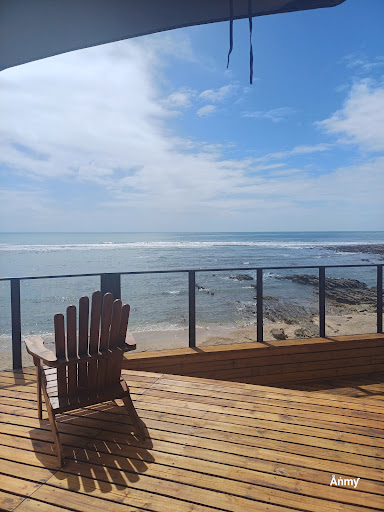
Photographers will find endless inspiration here — from pristine beaches and striking seascapes to breathtaking landscapes, with each sunrise and sunset painting a unique picture.
View this blog post on bird species at Kanon and reported in the surrounding ares of Gourtismond and Vleesbaai.
Kanon Private Nature Reserve Birding Checklist
Tick off the bird species you spot during your stay at Kanon Private Nature Reserve.
Migratory Birds
Resident & Notable Birds
Herons, Egrets & Wetland Birds
Raptors & Owls
Grassland Birds
Coastal, Shore & Ocean Birds


For your most accurate driving route, search “Kanon Private Nature Reserve” in Google Maps or use this link below.
For detailed directions, including if traveling from the north or south of Kanon, please visit our locations page here.
Search Self-Catering Accommodation Availability & Rates Below.