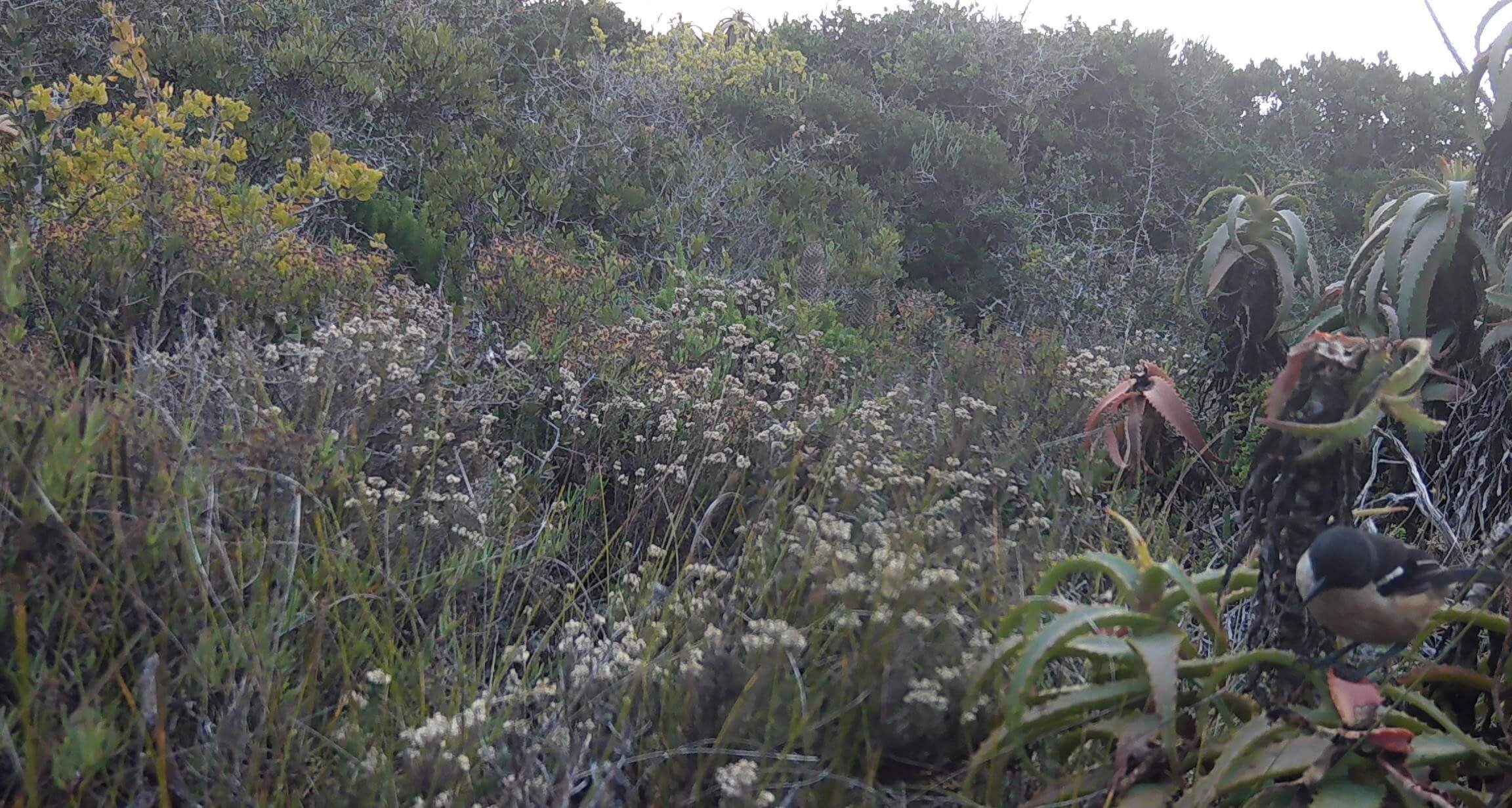
Kanon Private Nature Reserve (KPNR), situated just east of Gouritzmond, is a botanical treasure within the Gouritz Cluster Biosphere Reserve. With more than 230 recorded plant species, the reserve showcases an exceptional diversity of flora shaped by coastal climate, limestone soils, and seasonal rhythms.
This living landscape is not static each visit reveals new colours, forms, and flowering cycles, making KPNR a destination where the plant world is constantly unfolding.
A Mosaic of Unique Vegetation Types
Why KPNR’s Plant Life Is So Diverse
According to the South African National Biodiversity Institute (SANBI), KPNR spans several distinct vegetation types, including Canca Limestone Fynbos, Hartenbos Dune Thicket, and South Western Strandveld. Each vegetation unit contributes its own structure, species composition, and seasonal character, creating a rich ecological mosaic within a relatively small area.
This diversity supports not only plant life, but also insects, birds, and mammals making botanical health central to the broader ecosystem.
Documenting Flora Through Ongoing Research
Building a Living Botanical Record
Over the past year, botanist Jolandie Buck from the Gouritz Cluster Biosphere Reserve has actively documented plant species across KPNR. Her work has expanded the reserve’s iNaturalist project, refining species records and creating an accessible identification tool for visitors.
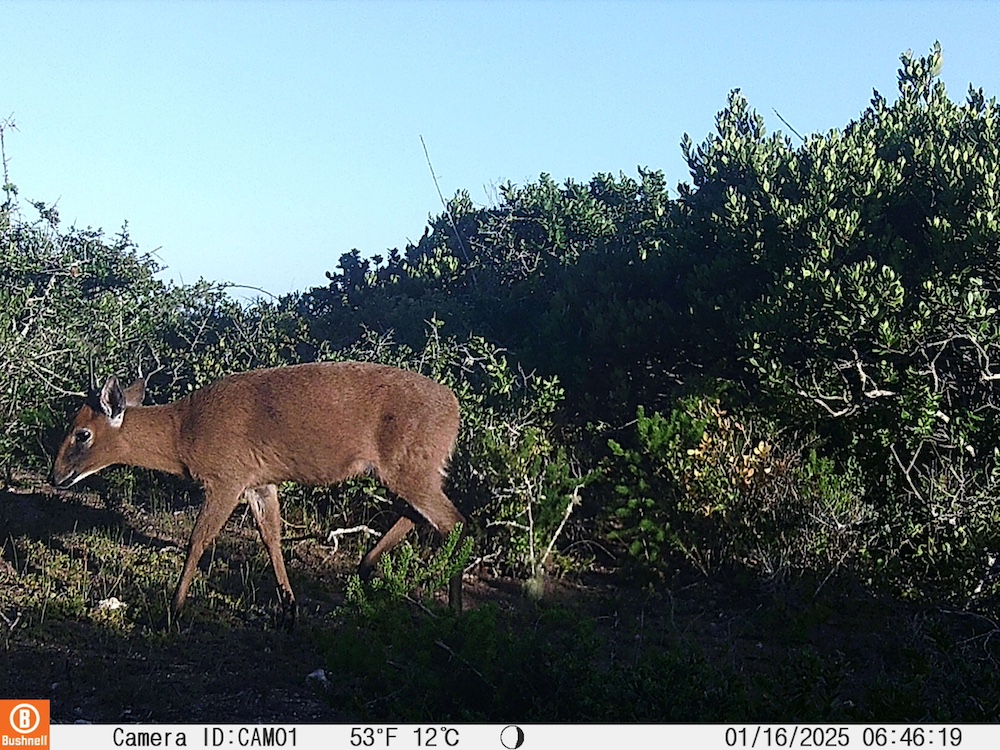
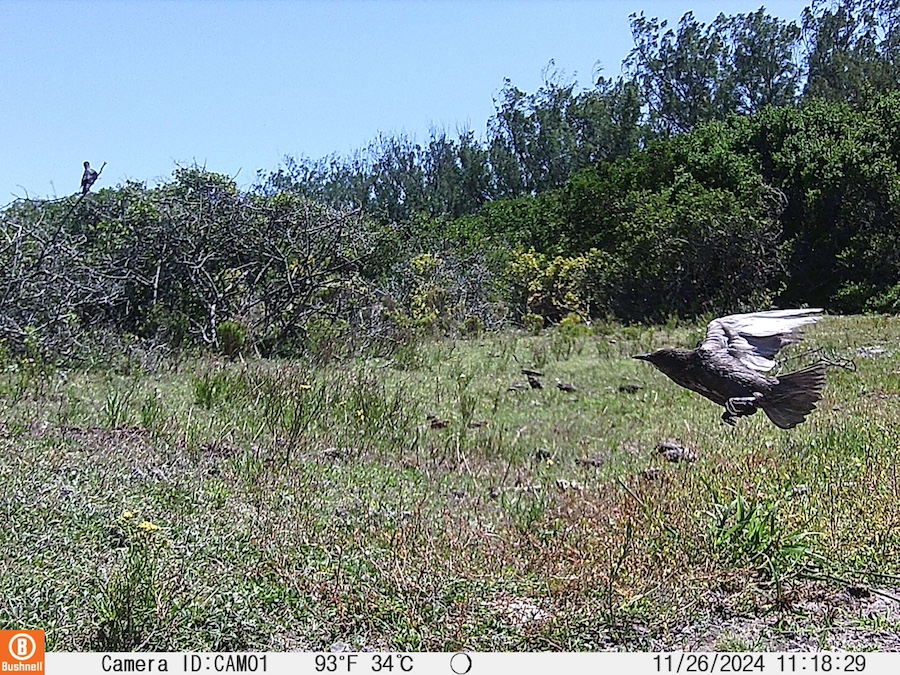
This kind of botanical documentation plays a similar role to camera traps in wildlife research: it captures what is often overlooked, builds long-term ecological knowledge, and allows both scientists and visitors to better understand biodiversity over time.
Aloes: Living Beacons of Biodiversity
Ecological and Cultural Importance
Among the most striking plants at KPNR are its Aloe species, including the Cape Aloe and the Candelabra Aloe . When in bloom, these plants become hubs of activity, attracting birds and insects while adding bold structure to the landscape.
Beyond their ecological role, aloes have a long history of medicinal use.
Seasonal Bulbs and Botanical Surprises
Plants That Appear and Disappear
KPNR is also rich in bulb species that emerge briefly and dramatically with the seasons. Visitors may encounter the vivid red blooms of the Candelabra Lily (Brunsvigia orientalis) on the dunes or the distinctive fan-shaped leaves of the Poison Bulb (Boophane disticha).
Other seasonal highlights include Star-of-Bethlehem species and the elegant Green Wood-Orchid, each offering fleeting but memorable encounters. These plants reward patience and repeated visits, reminding us that botanical beauty often reveals itself slowly.
Why Plant Diversity Matters
The plant life of Kanon Private Nature Reserve forms the foundation of its ecosystems. From stabilising dunes to supporting pollinators and wildlife, this floral diversity underpins the resilience and ecological integrity of the reserve.
To better understand how KPNR fits into a larger conservation landscape, readers are encouraged to explore the external article “Introducing The Gouritz Cluster Biosphere Reserve: A Unique Meeting Point of Three Biodiversity Hotspots.”
Discover More at KPNR
This summary offers only a glimpse into the botanical richness of Kanon Private Nature Reserve. To explore the full species stories, references, and observations and to experience the plants through the eyes of those documenting them visit the Kanon Private Nature Reserve website and read the full blog post.
For a deeper look at how KPNR protects even its slowest residents, don’t miss the internal feature “Slow and Steady: The Tortoises of KPNR and Why We Leave Them Be.”
Every walk reveals something new take the time to look closely.


For your most accurate driving route, search “Kanon Private Nature Reserve” in Google Maps or use this link below.
For detailed directions, including if traveling from the north or south of Kanon, please visit our locations page here.
Search Self-Catering Accommodation Availability & Rates Below.